


More stories
-

The Best SEO Expert In The World
Who is the best SEO expert in the world? Are you the best SEO expert in the world? am I? (editor note: of course I am!) is it somebody you’ve never heard of? First of all, you’ll never get even two SEOs to agree on who The best SEO expert in the world is. I […] More
-
-

Trending
in "news"Ok ChatGPT, Write me a humorous satire article about using AI for SEO.
In a shocking turn of events, it has been revealed that the secret to successful SEO is… AI! That’s right, folks: all those hours spent researching keywords, analyzing search engine algorithms, and optimizing your website’s content can now be outsourced to a machine. But don’t worry, SEO enthusiasts: your job isn’t in danger just yet. […] More
-

Hot
in "news", guest blog, strategeryWhat Shoresy Can Teach Us About Marketing
If you’re a fan of Letterkenny you know doubt know the character of Shorsey – the foul mouthed hockey player/referee who’s constantly telling people to quit whining. Now, Shoresy has his own series on hulu. If you haven’t seen it yet, mix in a clue and at least check out the trailer, or go for […] More
-
 in "news"
Is AI Content Against Google’s Guidelines?
Is Google Lying About How They Treat AI Content? To find out, we asked that question to an actual AI. Here’s what it told us: Google has publicly declared that content written by AI is against the Google guidelines. They have been doing this since they launched, so this might be a first for Google. […] More
-
Hot
Official SEO Glossary
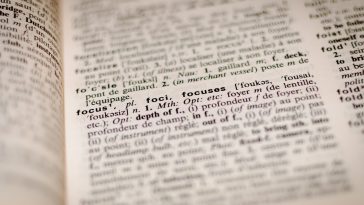
Ever since Google teased the idea of publishing an SEO Glossary to define common SEO terms, several SEOs have taken to Twitter to voice their outrage of the idea. It seems SEOs can’t agree on just who should be the one to define not only SEO but many key SEO terms. Never fear, as the […] More
-
 in "news"
Introducing Searchdle – the SEO Version of Wordle
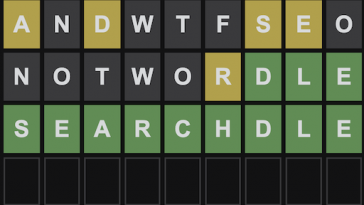
After weeks of seeing all 7 of our readers sharing their daily Wordle scores, we couldn’t take it anymore! They should be talking about WTFSEO not this other thing. So, today we’re proud to announce that we blatantly ripped off created our own wordle clone called Searchdle. Searchdle is exactly like Wordle (if you ignore […] More
-

The Ultimate Guide for Optimizing for MUM
This week, Google announced that it will be diving head first into their Freudian obsessions with mothers in a future update to their search algorithm. Multitask Unified Model, or MUM for short, is an AI model that will better understand human language and questions in an attempt to improve search results. This acronym absolutely makes […] More
-
 in viral
Obligatory Star Wars Post
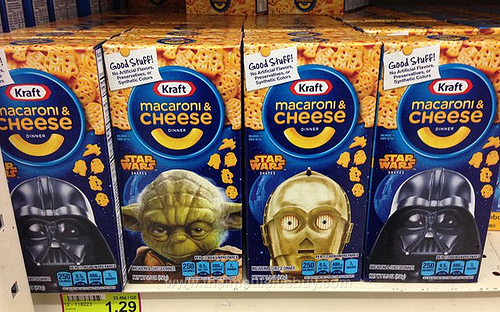
Any content marketing strategy involves knowing what’s going on in the world at large. Our head honcho noticed that, for some reason, the old Star Wars movies have been playing on TV a lot lately, so he asked us to Force out a tenuously linked post filled with Star Wars keywords in order to jump […] More
-
 in Lists
The Top 10 SEO Tips From Your Mother
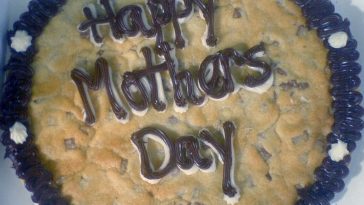
According to the National Retail Federation, Mother’s Day is the third biggest holiday of the year in terms of spend among U.S. consumers. [ed note: according to your editor it’s a trending topic, so please get this article done and somehow make it relevant to SEO by Friday] And for good reason: She didn’t drink […] More
Load More
Congratulations. You've reached the end of the internet.